✨ Verse of the Day
“But the Holy Spirit produces this kind of fruit in our lives: love, joy, peace, patience, kindness, goodness, faithfulness, gentleness, and self-control.”
— Galatians 5:22-23 (NLT)
-
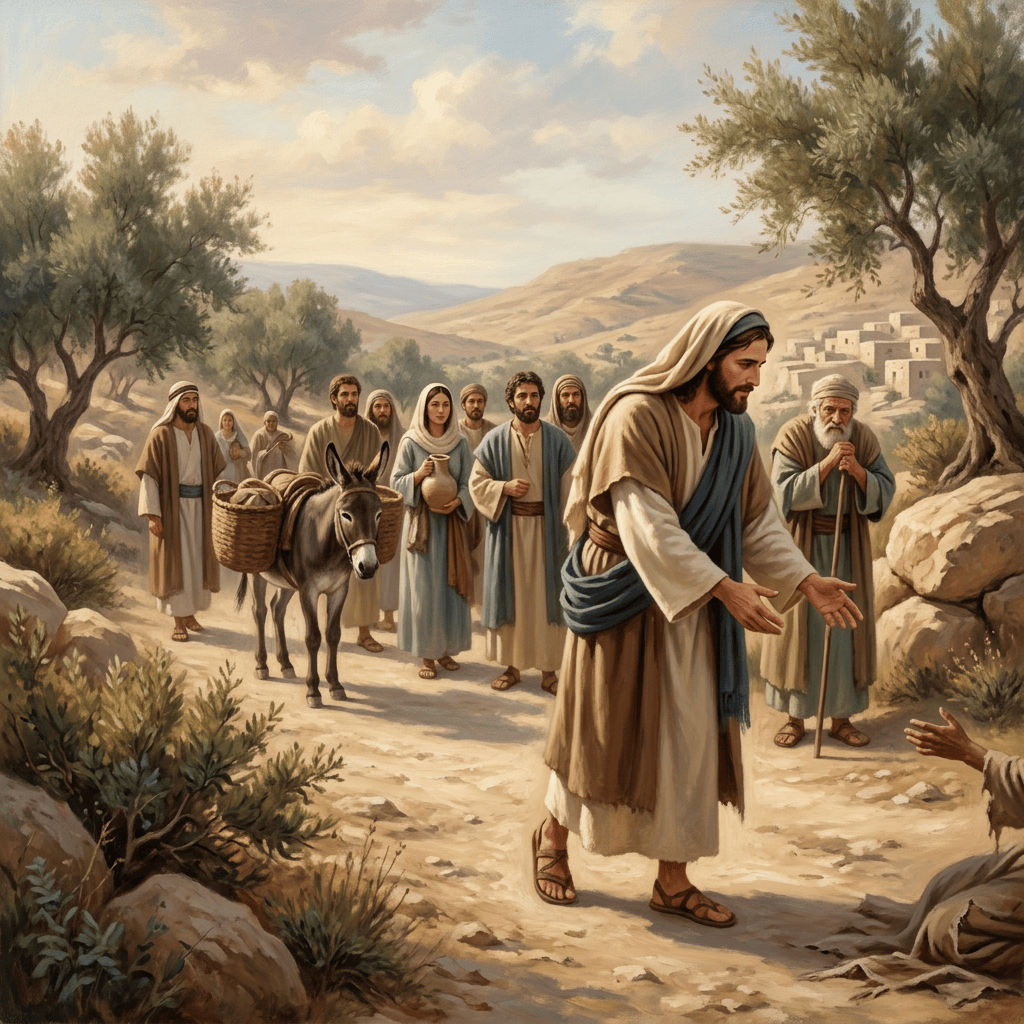
The Day was Disrupted
How do you respond to disruption? Our days are full of activities. In fact, it seems some days have every minute filled, and there is no room for anything else. Then comes the dreaded disruption. The Bible offers advise for days like this. Luke shows us Jesus having one. The plans for the day had…
-
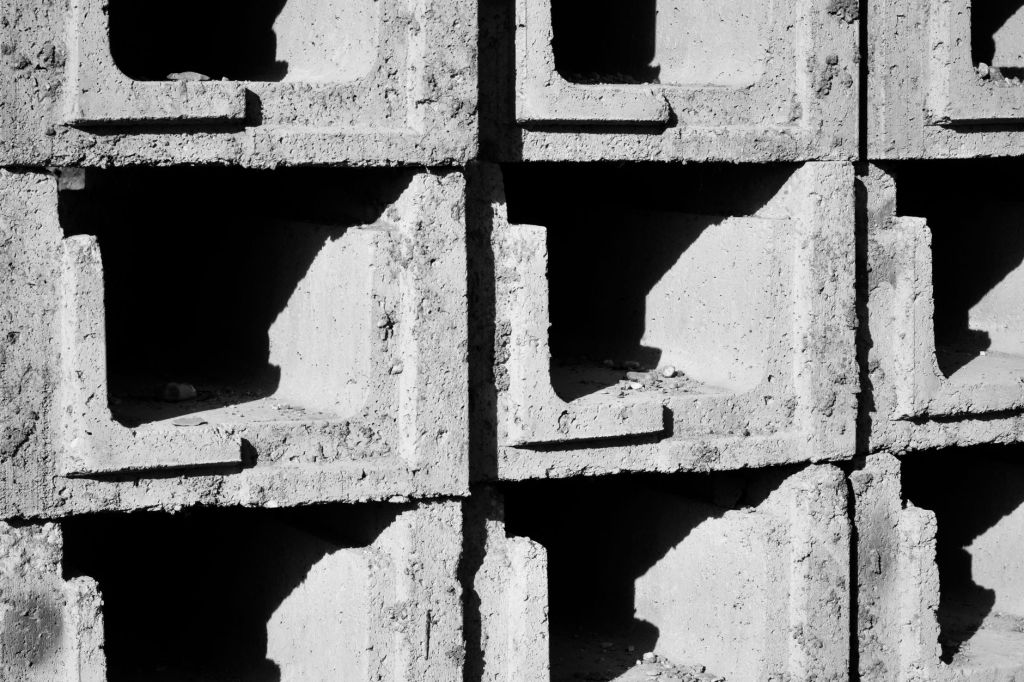
Put Down the Block
Imagine trying to run a race while carrying a concrete block. The bulkiness and extra weight would slow you down. It would take a lot of extra energy to carry the block. There’s no benefit to the block; it only makes the race more difficult. Now, think of life. What concrete blocks are you trying…
-

Podcast Episode: Trusting God Through Hard Seasons
Pip: If your imagination has a ceiling, Get Encouraged is here to remind you the ceiling is the floor. Mara: Today we're working through posts from Chris Miller covering three stretches of territory: what it looks like to wait on God's timing, whether God is actually present when things fall apart, and how faith moves…
-
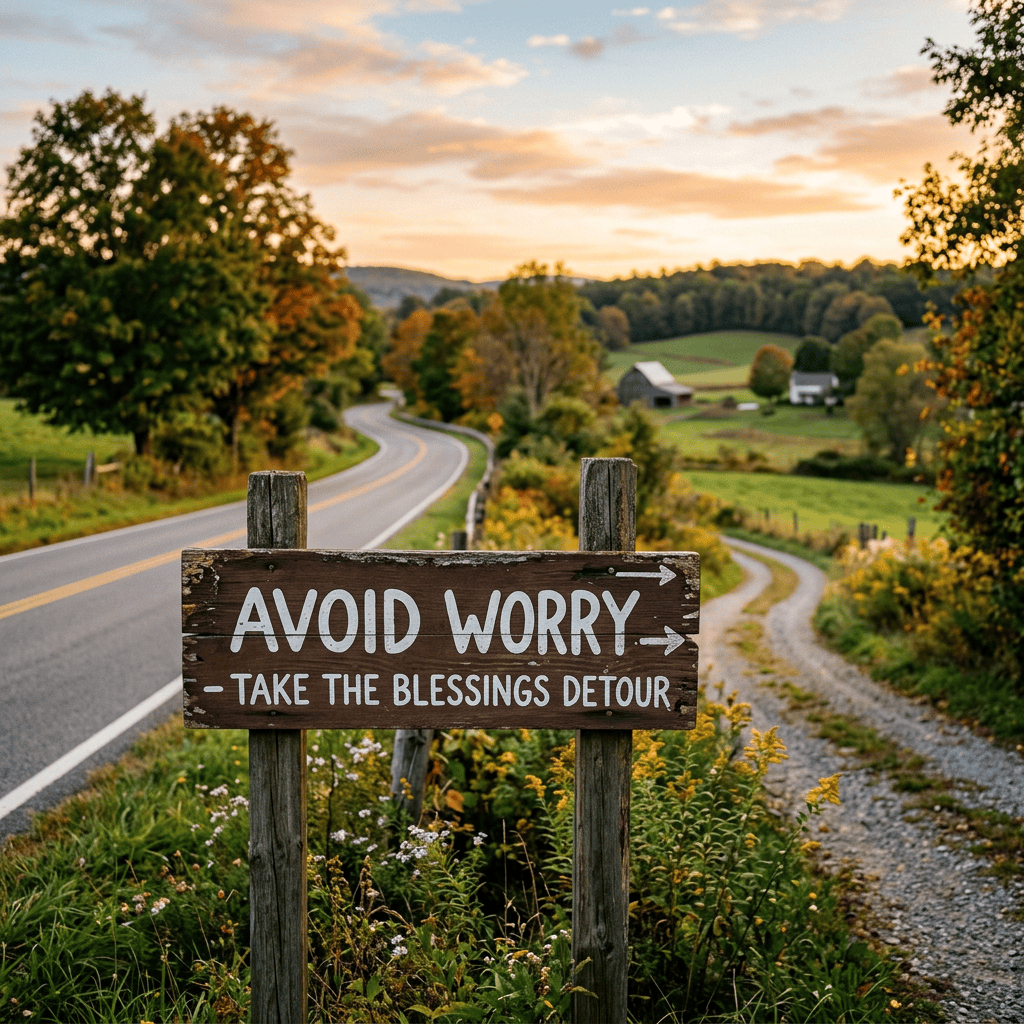
Don’t Miss Today’s Blessings
How has the Lord provided for your needs today? At first, you may think this is an odd question. You’re thinking, “Of course the Lord has provided for my needs today,” but have you stopped to count those blessings? Sometimes, life’s worries can overshadow the blessings. It’s easy to spend today worrying about tomorrow. We…
-

A Future Beyond Words
What challenge are you facing today? You may be waiting on a doctor’s call with test results, or maybe you’re facing a 12 hour work shift just to make ends meet. Today’s challenges can take many shapes, and staring them down may have you feeling discouraged. While the challenges may be fierce, we can find…
-
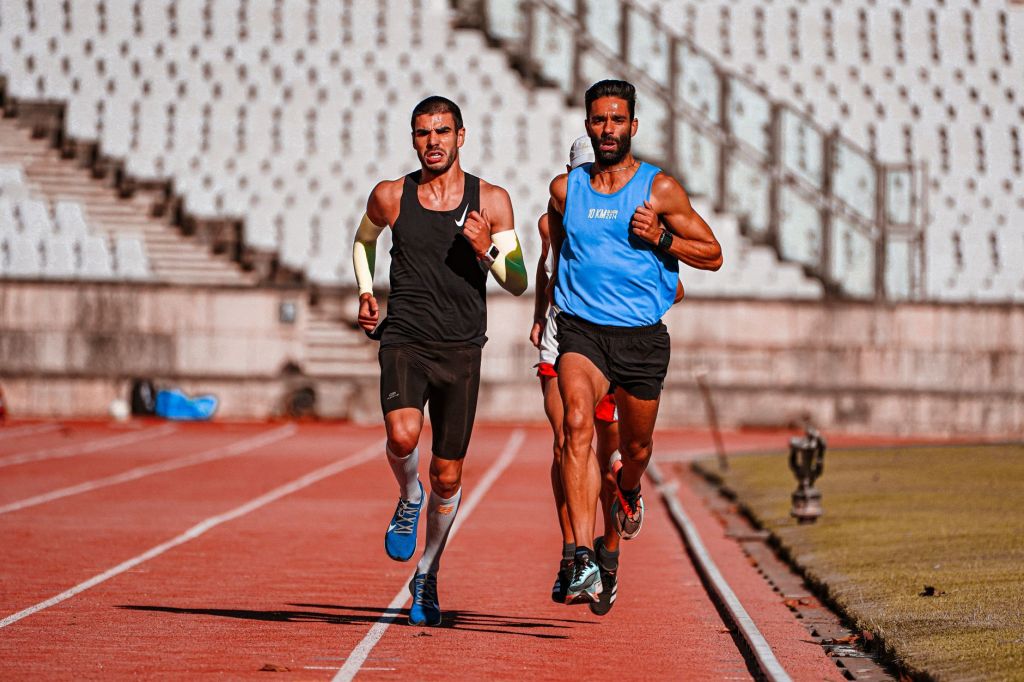
Does Life’s Race Have You Hobbling?
Getting to the Olympics is hard, and British runner Derek Redmond had overcome injuries and setbacks to be there. In 1992, Redmond thought his moment had come. He was competing in the 400-meter semifinal at the Barcelona games. Halfway through the race, his hamstring tore. He collapsed to the track, and his Olympic dream appeared…
-

Waiting on Dreams
What happens when a dream stays in your heart but takes years to become a reality? Maybe you dream of starting a business, changing careers, or writing a book. Every time you think about it, you feel a spark of excitement. You can picture what it might look like, and you wonder what it would…
-

Buy the Sheets
“Buy the sheets!” Those words caught my attention as they came through the radio speakers. I wasn’t dreaming, and I hadn’t accidentally tuned in to some strange program. I was listening to a follower of Christ sharing a simple but powerful reminder. “Don’t wait to buy the sheets!” What did she mean? Don’t put off…
-

Take the Next Step
What do you do when God asks you to take a step, but you can’t see how it will work out? It’s easy to trust God when we can see a solution, but what happens when the bills are piling up, your resources are running low, and you have no idea how you’re going to…
-
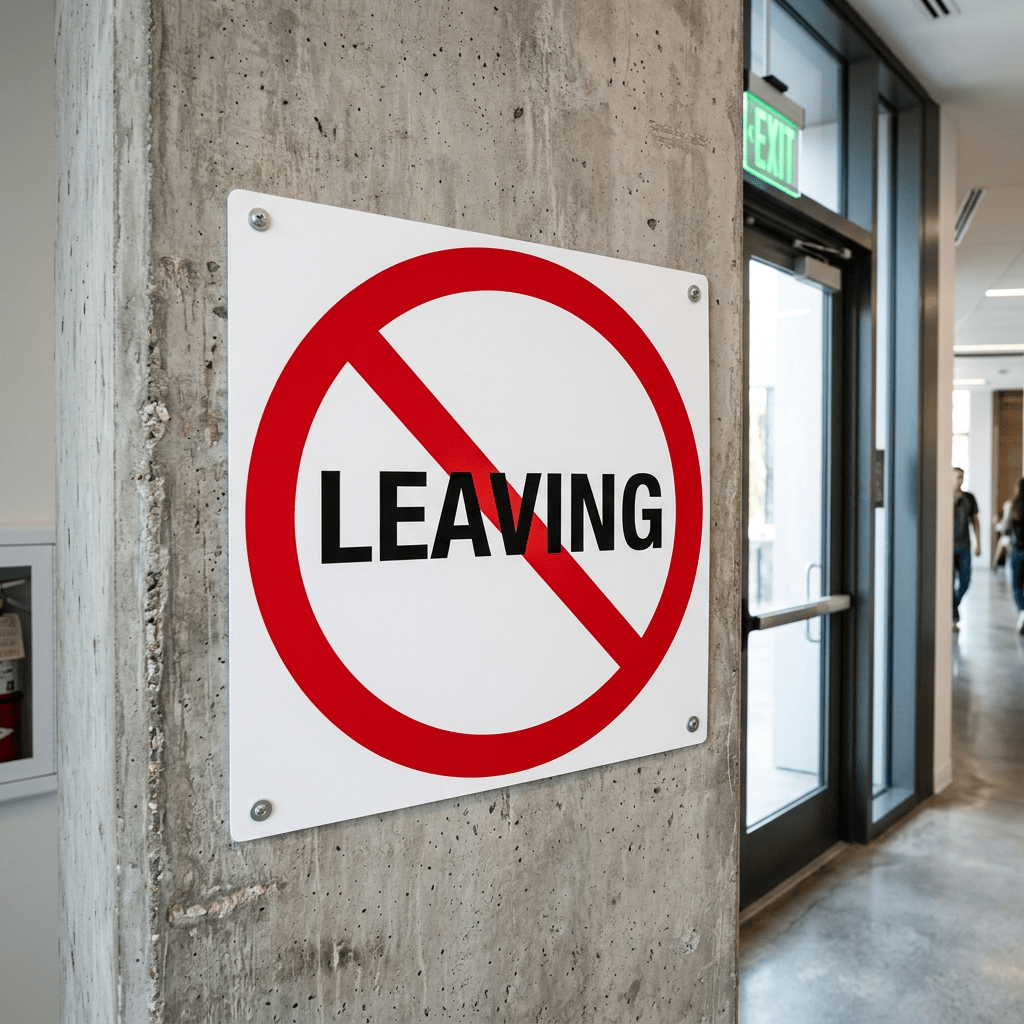
The Lord isn’t Leaving
People may walk away when life gets messy, but what about God? When problems pile up, relationships fall apart, and you struggle to hold everything together, you may wonder if the Lord will eventually decide you’ve become too much trouble. Psalm 139 gives us a reassuring answer. There is nowhere we can go, no mess…
Search
Stay Encouraged
Get new posts delivered straight to your inbox.

